



An initiative to prevent unsafe abortion by removing systemic, legal and social barriers to care
Each year, more than 35 million unsafe abortions occur, often with dire consequences for women, their families and communities. Ipas works to make contraception and safe abortion accessible, so that everyone can make decisions about their own body and life.
Relevant Stats
Paragraph introducing any relevant stats.
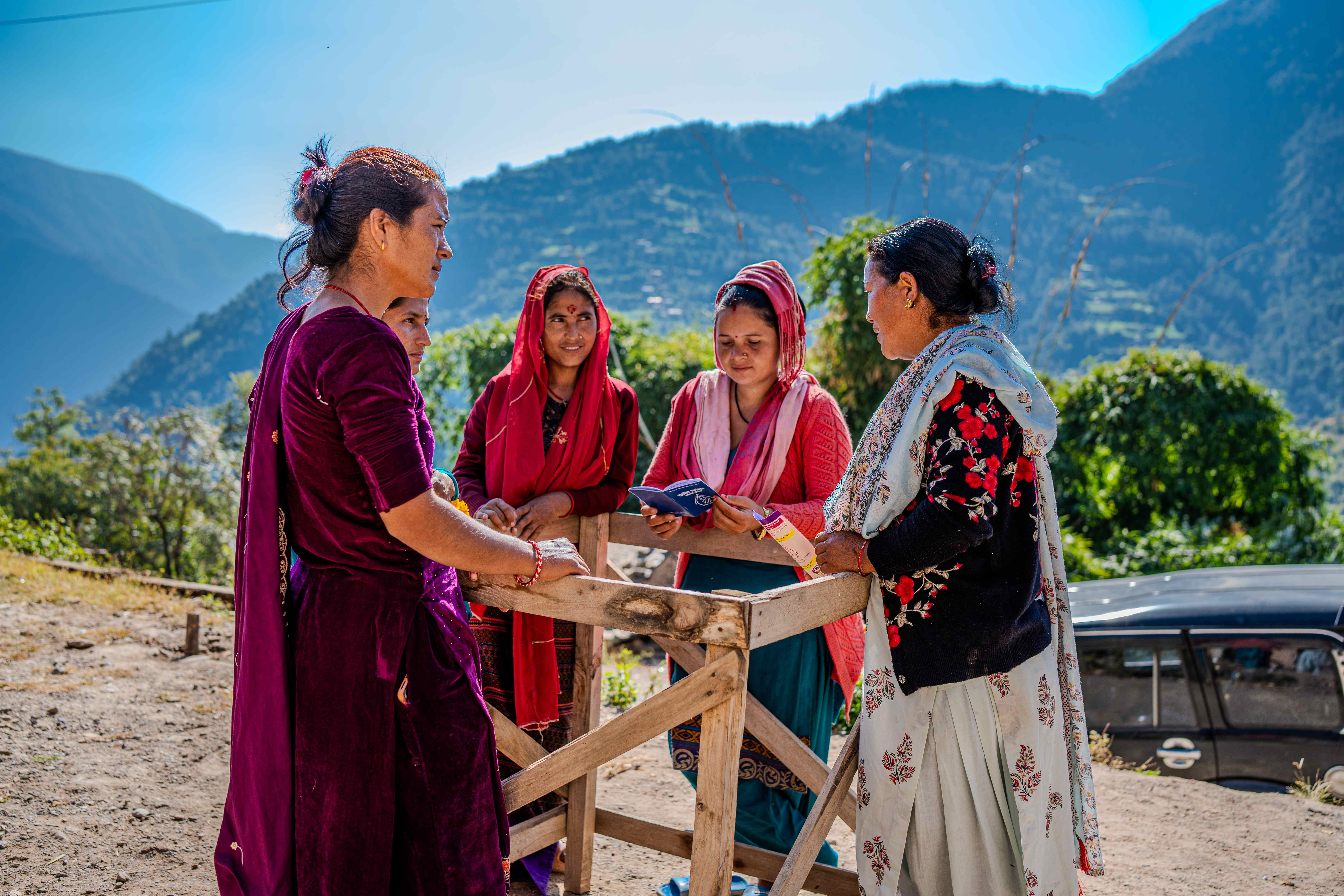
Project
Description
Big Idea
Abortion and contraception are essential health care to which everyone has a right. But not everyone has access. Over 35 million unsafe abortions occur a year — one every second of every day — resulting in life-altering complications and lasting social, mental and financial harm. When people can safely get an abortion, it not only improves their quality of life, but that of their families, communities and even countries. Ipas is working toward a future where safe abortion is not just consistently accessible, but supported by resilient health systems, enabling laws and informed communities. By partnering with governments, providers, communities and civil society organizations, they break down systemic, legal and social barriers to life-saving reproductive care with a locally-led model that expands access, strengthens existing health systems, reduces stigma and shifts norms — building lasting support for safe abortion access.
Plan
Ipas is the only global organization laser-focused on preventing unsafe abortion, with more than 50 years of experience strengthening pathways to safe abortion and contraceptive care. By 2032, Ipas aims to prevent 16.3 million unsafe abortions, 22.6 million unintended pregnancies and 39,000 maternal deaths by focusing its efforts in Sub-Saharan Africa, South Asia and Latin America. By scaling their work across 10 of the highest-need countries, Ipas will reduce annual unsafe abortions by approximately 30%, giving millions of girls and women the chance to determine their own future. By 2040, Ipas expects improved abortion ecosystems across all project countries and, despite existing barriers, significant advancement in laws and policies, social and cultural norms, as well as access to quality care. Through this work, Ipas will accelerate progress that would otherwise take decades — building durable, country-owned systems that last beyond the project.


.webp)


.jpg)


.jpg)

