

An initiative to transform maritime trade from stern to bow, breaking dependency on fossil fuels
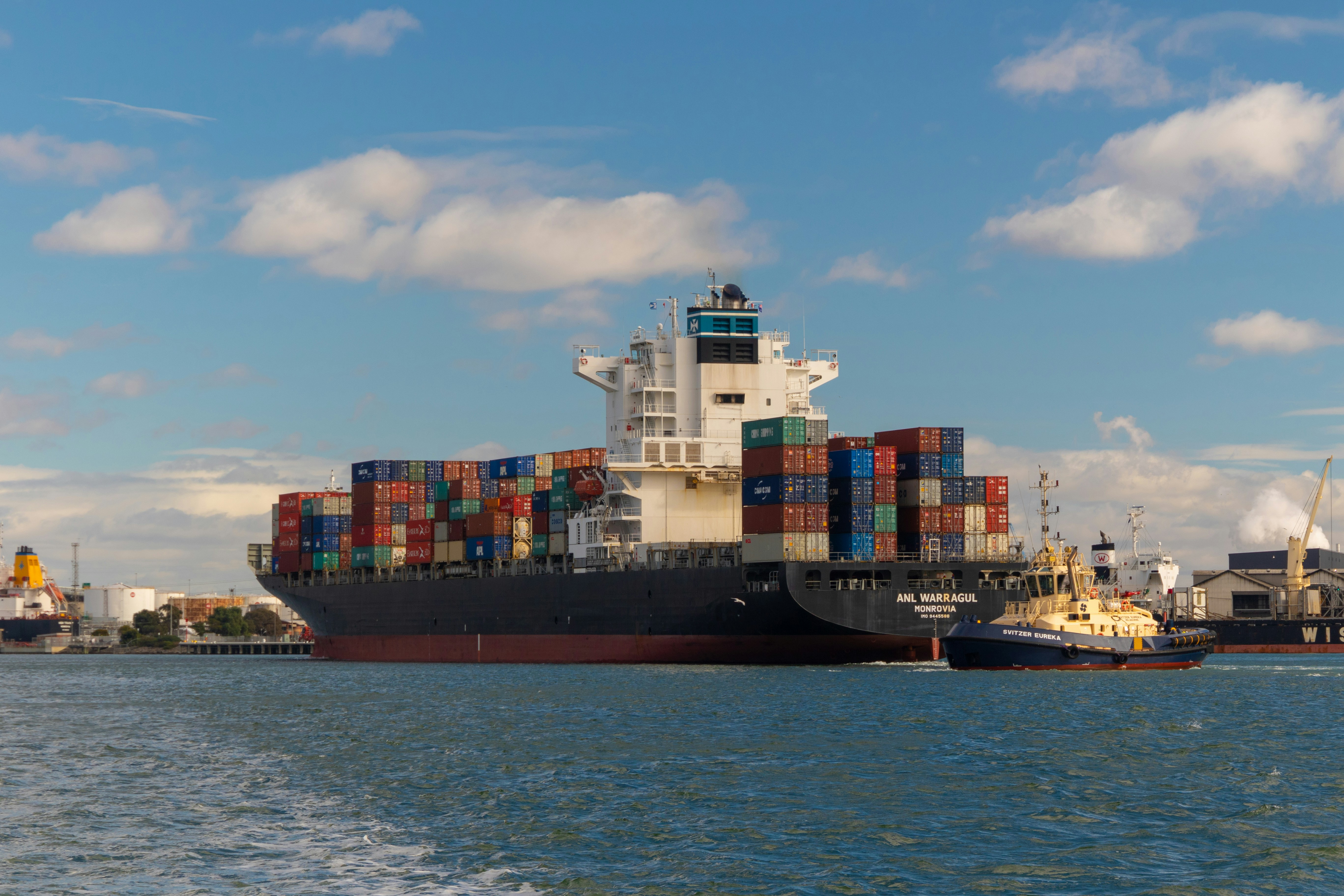
Over 80% of the world’s trade moves by ship, but each vessel leaves a path of pollution in its wake. Solutions for Our Climate (SFOC) will mobilize finance, policy and public pressure in East Asia, driving decarbonization across this highly polluting industry.
Relevant Stats
Paragraph introducing any relevant stats.
Project
Description
Big Idea
Today’s ships burn some of the most polluting fuels on Earth, are built from coal-based steel and increasingly carry fossil fuels like liquefied natural gas, driving billions of tons of emissions and harming communities from shipyards to port cities. Maritime trade is currently one of the world’s dirtiest industries — but Solutions for Our Climate (SFOC)’s Navigate to Clean initiative plans to turn it into the engine for a clean economy globally. To fuel this shift, SFOC will mobilize finance, policy and public pressure in East Asia, where over 90% of ships are built and most of the world’s steel is forged, to replace fossil fuels with green fuels, accelerate green steel adoption and block new liquefied natural gas carrier orders. Over the next seven years, they will catalyze the decarbonization of maritime trade, targeting interventions that can produce a cumulative reduction of 2.2 billion metric tons of carbon — while also triggering broader shifts away from fossil fuel dependence across multiple sectors.
Plan
By harnessing the power of their networks in media, law, diplomatic circles and the public and private sectors to affect change throughout the maritime industry, SFOC will cut up to 2.2 billion metric tons of carbon annually by 2032 and drive global decarbonization across sectors. By targeting maritime shipping through multiple levers — the fuels ships use, the steel used to build them and the cargo they carry — SFOC will affect long-lasting systems change and help limit global temperature rise. Their strategy will disrupt the financial pipelines that support the current wave of “dirty” ships and target the technology that can enable momentum toward emission-free alternatives: zero- or near-zero emission fuels, green hydrogen-based steel and an emphasis on clean cargo. With Korea’s climate-forward administration, Japan’s Green Transformation strategy and Asia’s steel and shipyard reinvestment cycles aligned, the opportunity for change is here. SFOC will take this once-in-a-generation chance to redirect the future of trade.


.jpg)


.jpg)

