


Intercepting 1/3 of river plastic before it reaches oceans
Just 1% of the world’s rivers carry 80% of the plastic that reaches oceans annually. By targeting the world’s most polluting waterways, The Ocean Cleanup is closing the tap on plastic emissions and working toward ridding the oceans of plastic.
Relevant Stats
Paragraph introducing any relevant stats.
Project
Description
Big Idea
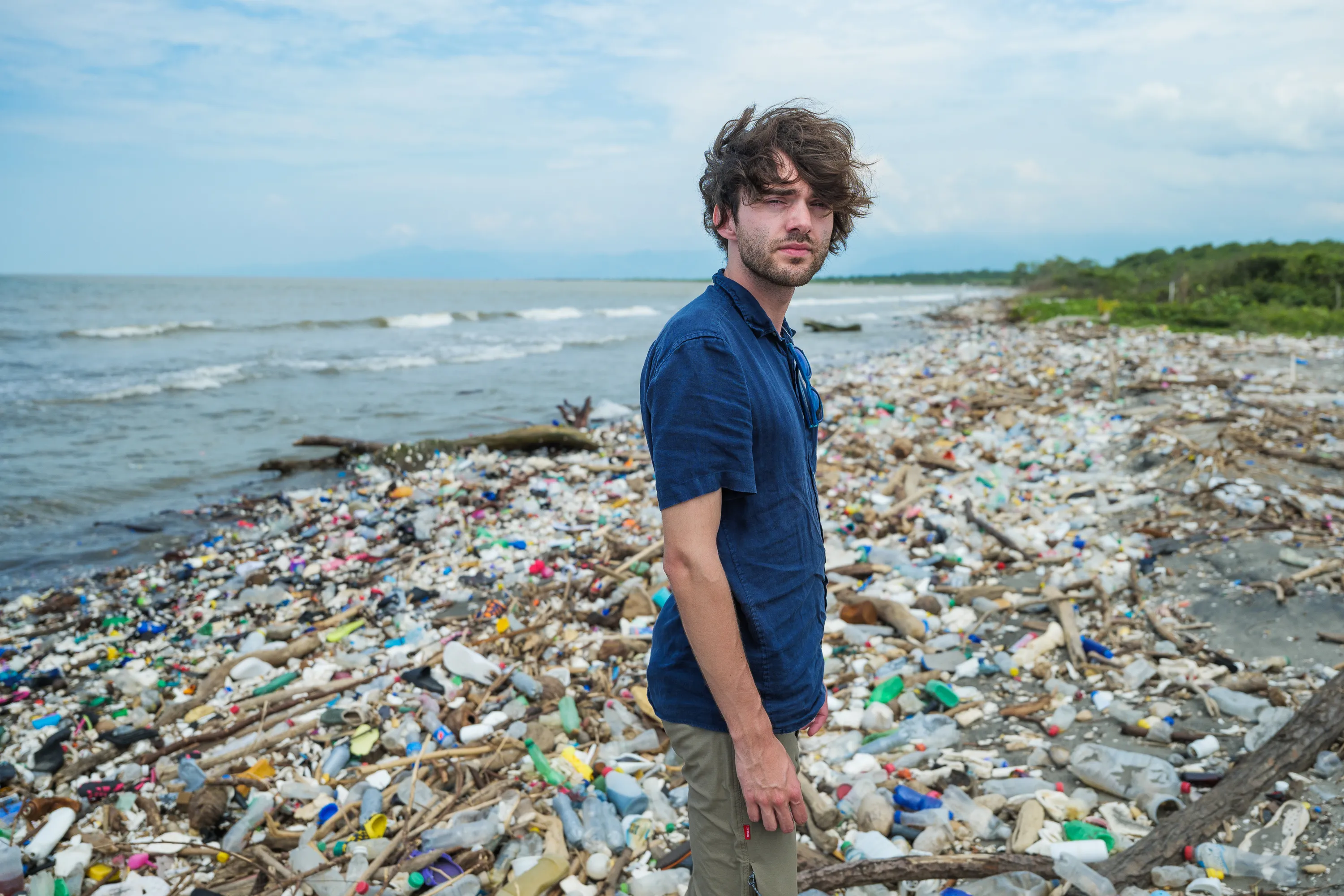
Approximately 100,000 to 300,000 metric tons of plastic reach the world’s oceans via rivers each year. The impact of these degrading plastics has severe, far-reaching consequences, threatening ecosystems, polluting food chains and damaging coastal livelihoods. While international policy catches up to tackle the scale of the problem, The Ocean Cleanup is setting the pace — by developing and deploying simple, cost-effective, locally adaptable systems that intercept river-borne plastic and prevent it from ever reaching the oceans. To date, The Ocean Cleanup has already diverted more than 46 million kilograms of plastic trash, cleaning up 2-5% of river-borne plastic emissions globally. By scaling up this approach and leveraging the fact that 80% of plastic waste is concentrated in just 1% of rivers, The Ocean Cleanup will promote ecosystem recovery and allow local communities to reclaim their connections with nature.
Plan
By expanding its interceptor technology to 30 cities, primarily in the Global South, The Ocean Cleanup’s 30 Cities Program will stop a third of all plastic flowing from the world’s rivers into the oceans by 2030. At the same time, The Ocean Cleanup will scale from single-river deployments to city-wide scale, enabling the cleanup of 280-340 highly polluted riverways. By shifting to a city-wide approach and leveraging the data generated in the process, The Ocean Cleanup will not only benefit from larger economies of scale and catalyze further investments in waste management infrastructure — but cut the plastic outflow from each city by 90% by 2034. This will restore some of the world’s most critical bodies of water and improve local income and livelihoods, while demonstrating a scalable model to eliminate the remaining two-thirds of river-sourced ocean plastic globally.



.jpg)


.jpg)

