


Supporting millions of African farmers to lift themselves and their communities out of poverty
The vast majority of the world's poorest people are farmers. One Acre Fund sees this as the greatest humanitarian opportunity of our time: boost small-farm productivity, and move the needle on both poverty and food security.
Relevant Stats
Paragraph introducing any relevant stats.

Project
Description
The problem
No matter how far humanity has advanced, we are still unable to feed every member of our race. Even today, in an age of unprecedented prosperity, 224 million people in Sub-Saharan Africa are undernourished. This stifles human potential. Among the extreme rural poor, one in ten die before age 5, and for those that survive, hunger has life-long consequences: nearly half are underweight, stunted, or both. An incredible opportunity lies underneath this problem: nearly 70 percent of the world’s poor are hard-working farmers. If properly supported, they are capable of feeding their families, their communities and even the world.
Big idea
Improving small farm productivity represents the greatest humanitarian opportunity of our time. One Acre Fund knows how to do this — they have developed a proven system that improves the profits of targeted activities for Africa’s farmers by 57%. By expanding to new regions, they can help people earn their own way out of poverty. Family farms generate 80 percent of the world’s food, so this could be a step toward ending hunger altogether. It also offers the only alternative to converting vast tracts of forest and savannah to agricultural use, with disastrous climate impact.
Plan
With an injection of resources, One Acre Fund plans to scale from serving 750,000 farm families in six countries across East Africa and move toward operation at an even more meaningful scale. By 2020, they will work with 1.25 million farmers per year, helping to ensure that 5 million children are well-fed and financially stable. One Acre Fund’s model asks clients to pay for the services they receive, dignifying farmers as customers, and generating income to expand the organization’s reach and impact. Their goal: to build the largest farmer network in Africa and increase prosperity.
Why will this succeed?
One Acre Fund has grown tremendously since its start in 2006, when it served only 40 farm families. Their success stems from three key innovations. First, they offer a complete bundle of services — they distribute high-quality farm inputs, and also surround farmers with the training and support they need to prosper. Second, they deliver their solution deep into rural areas where other retailers, NGOs and microfinance lenders do not go. And third, they work extensively with female farmers, ensuring rich soil, big harvests and healthy families. They are on track to reach their goal of serving 1.25 million farmers by 2020. Along the way, they've enabled farmers to adopt 200,000 solar lights and plant 15 million trees.
Project Impact
Recent Updates
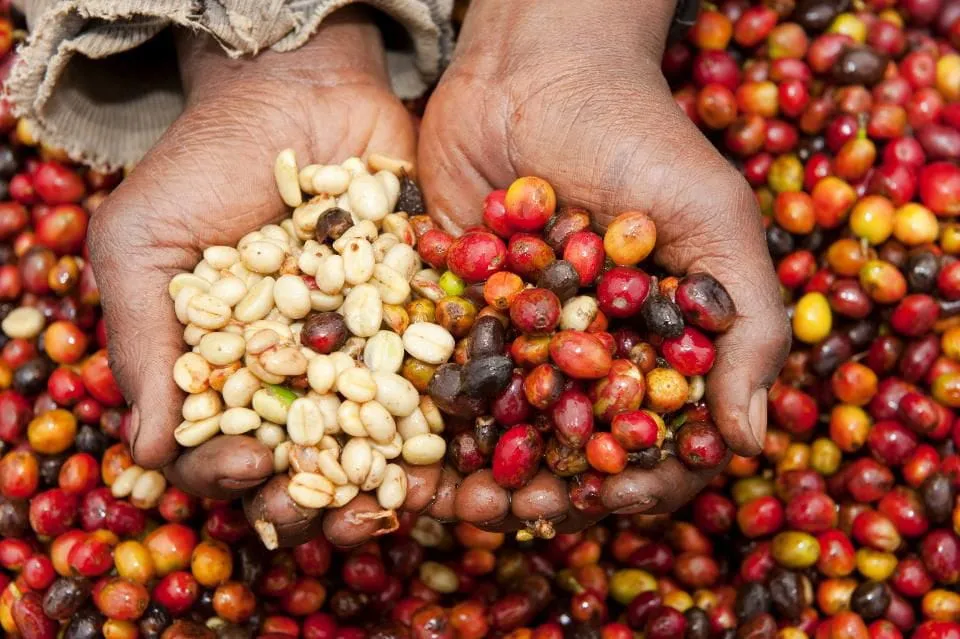
Forbes
Transformative tech for Africa's farmers
Transformative tech for Africa's farmers
While emerging technologies like blockchain and artificial intelligence capture our imagination, the most game-changing innovations for smallholder farmers are seeds, roads and electricity.
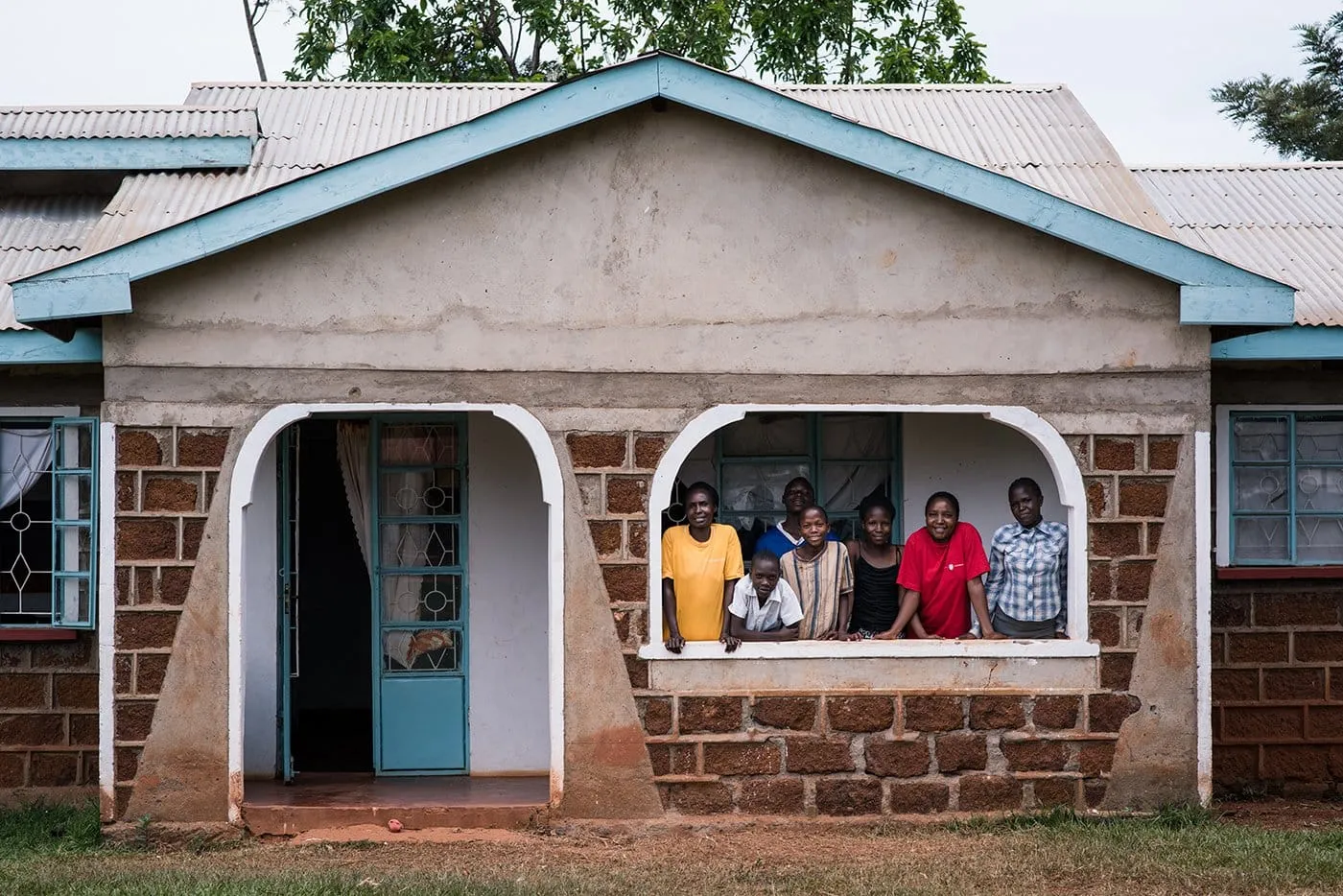
One Acre Fund blog
African farmers stung by climate change await return of rains
African farmers stung by climate change await return of rains
Extreme weather is a hallmark of climate change, and smallholder farmers we work with are already feeling the toll.





.jpg)


.jpg)

