


Fighting climate change by tracking gas emissions from space
Methane accounts for a quarter of the global warming we're experiencing today. By launching a satellite to measure its leakage, the Environmental Defense Fund will help corporations and governments take action.
Relevant Stats
Paragraph introducing any relevant stats.
Project
Description
The problem
Methane is a powerful greenhouse gas, 84 times more potent than carbon dioxide over the 20-years after it’s emitted. Human-produced methane emissions account for at least a quarter of the global warming we’re experiencing today, and the oil and gas industry is a major source. In the US alone, companies release at least 13 million metric tons of methane into the atmosphere each year — an amount that's 60% higher than the Environmental Protection Agency's estimates. Unfortunately, methane is invisible to the naked eye. It’s hard for well-intentioned companies to track – and easy for irresponsible ones to hide. But if we can find a way measure and monitor oil and gas methane emissions around the world, we can turn this threat into the biggest climate opportunity of our time.
Big idea
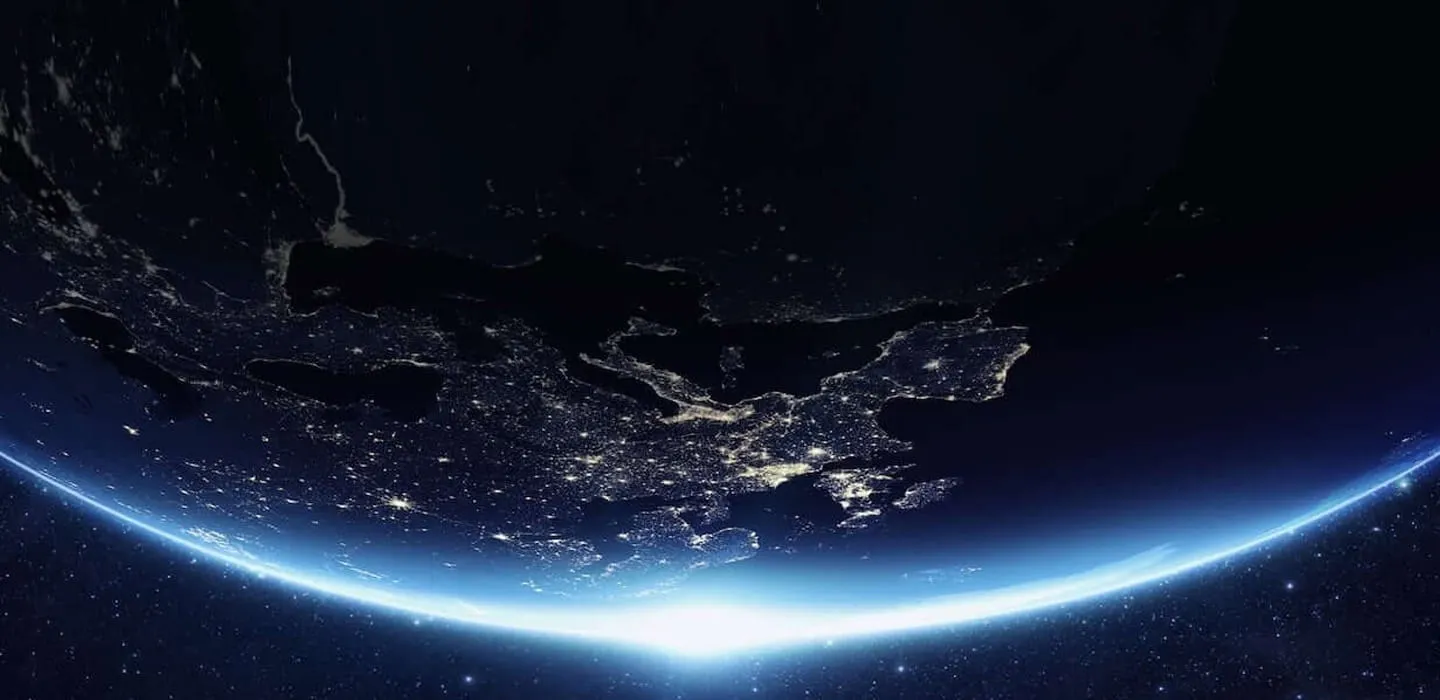
EDF has already proven the persuasive power of hard data: in collaboration with hundreds of scientists, they measured methane emissions on the ground and from aircrafts. They brought their findings to regulators and industry CEOs, sparking new rules and efforts to solve the problem. But 90 percent of the industry’s emissions happen outside the US. EDF plans to take these crucial measurement-based solutions global by launching MethaneSAT – a satellite designed specifically to assess methane emissions wherever they occur. This data will help conscientious companies manage their own emissions, while giving regulators, investors and the public a new tool for protecting our climate.
Plan
MethaneSAT, with its pixel size of one square kilometer, will cover large swaths of the Earth each day. Using what it observes about methane in the atmosphere, EDF will build the first global high-resolution maps of methane emissions rates and sources. All data will be posted online, freely available to anyone anywhere in the world. Experts at Harvard University and the Smithsonian Astrophysical Observatory are working with EDF to deliver state-of-the-art capability to map methane emissions of all sizes. Drawing on decades of advocacy experience, EDF will ensure that the data is deployed for maximum impact. MethaneSAT is a critical tool for realizing the goal of reducing global oil and gas methane emissions 45% by 2025, delivering the same 20-year climate benefit as closing a third of the world’s coal-fired power plants.
Why will this succeed?
Founded by scientists, EDF is a leading innovator in the environmental advocacy space, using science, technology and the power of transformational partnerships to change the ways that business and policymakers approach their responsibility for protecting the natural systems we all depend on. Their goal: Make best practice the standard practice. Time and again, they’ve shown that a safe environment and a strong economy go hand-in-hand. With this project, the organization is continuing that work. They have already assembled top-notch technical and science advisory groups to support the mission, and are working to build global consensus around the validity of MethaneSAT’s data analysis strategy. They are continuing apace with the technical development of the satellite.
Project Impact
Recent Updates

The New York Times
An eye in the sky could detect planet-warming plumes on the ground
An eye in the sky could detect planet-warming plumes on the ground
The Environmental Defense Fund is planning to build and launch a satellite that would look for industrial methane leaks and identify them with pinpoint accuracy.
EDF blog
Satellites become valuable new tool for governments, industry to cut emissions
Satellites become valuable new tool for governments, industry to cut emissions
For years, people used satellites to observe the Earth’s climate. Now, orbital sensing offers a crucial new way to protect it. Two new pieces of research led by EDF scientists offer a preview of things to come.


.jpg)


.jpg)

