Authors

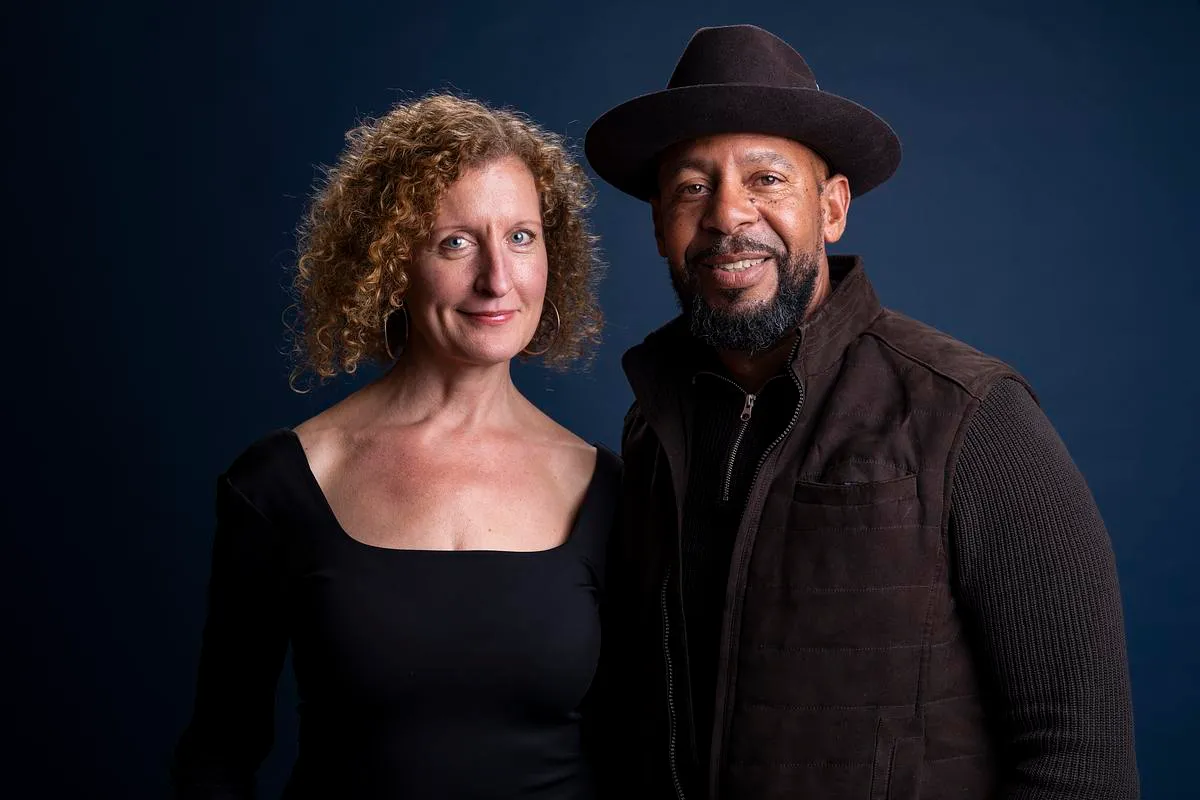
Aqeela Sherrills is the founder and Executive Director of the Community Based Public Safety Collective (CBPSC) and the co-lead of Scaling Safety. He is a nationally recognized leader with three decades of experience building community solutions to urban violence. After launching the Newark Community Street Team — which helped this New Jersey city which was once one of the most violent in the US reduce its homicides by 50% — he founded CBPSC in 2021 to advise and train grassroots public safety organizations on methods to reduce and prevent violence. Previously, Aqeela was the chief architect of a gang truce in Watts, Los Angeles, that lead to the launch of The Reverence Project, which brought together activists, healers and artists in urban “war zones” to shift the culture from violence, shame, guilt and fear into forgiveness, compassion, reverence and truth. Aqeela has also served as a senior advisor and co-architect of The White House’s Community Violence Intervention Collaborative, the first-ever White House initiative on community violence intervention.

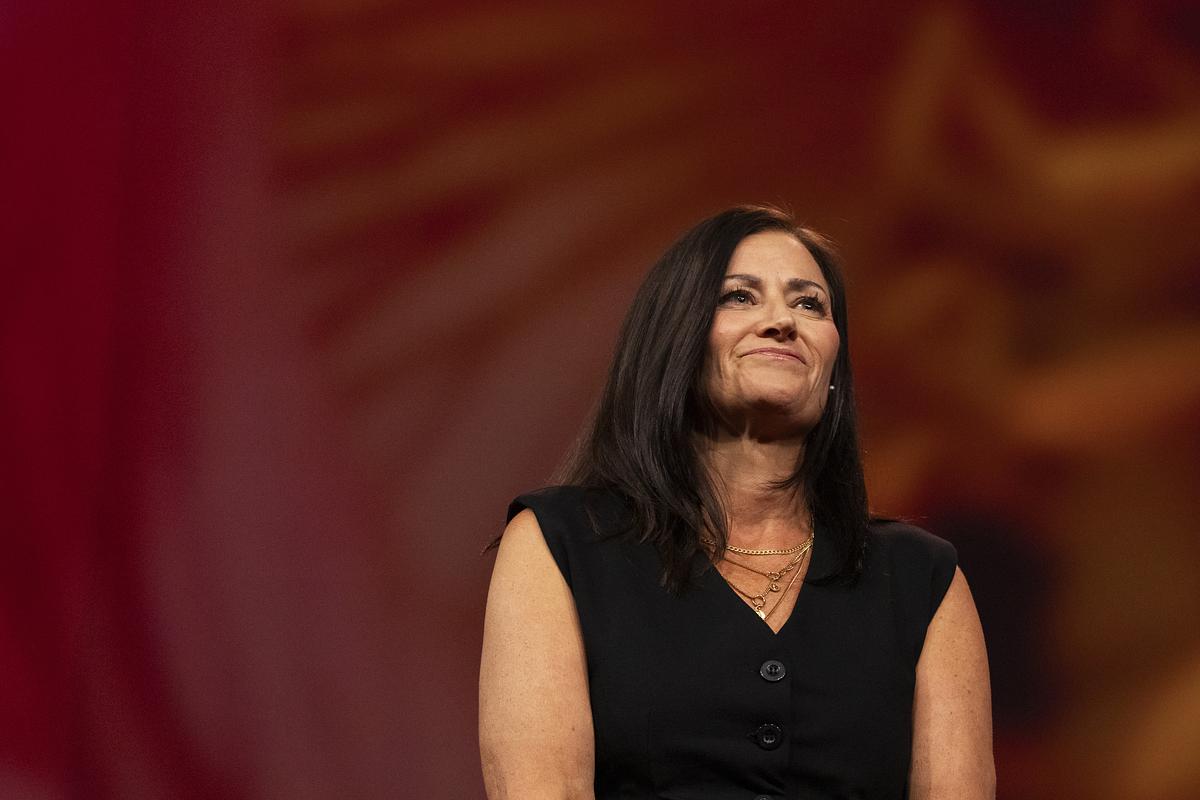
Lenore Anderson is the founder and president of the Alliance for Safety and Justice (ASJ) and the co-lead of Scaling Safety. She has 25 years of experience advancing safety and justice reform at local, state and federal levels. She founded Californians for Safety and Justice, and co-created Crime Survivors for Safety and Justice, the nation’s largest victim advocacy program. Previously, Lenore served as Chief of Policy at the San Francisco District Attorney's Office, where she spearheaded community partnerships and victim protection initiatives. Lenore also served as the Director of Public Safety for the mayor of Oakland, overseeing violence reduction initiatives, and as the Director of the San Francisco Mayor’s Office of Criminal Justice, overseeing city-community safety partnerships. She is also a recipient of a James Irvine Foundation Leadership Award and a Frank Carrington Crime Victim Attorney Award.
Categories
Subscribe for updates
January 8, 2026
Inside Philanthropy
Community-Based Violence Prevention Gets a $63 Million Boost from The Audacious Project
Crime, and the systems of policing and incarceration that the U.S. depends on to address it, are a public health nightmare for virtually everyone they touch.
Leaving aside the physical and mental health impacts for crime victims in the wake of a violent crime in particular, just living in a more crime-intensive area seems to result in higher death rates from cardiovascular disease. And the people on the front lines of America’s criminal justice system are also suffering. A 2024 review of medical research found that “the number of police officers suffering from mental illnesses is becoming a significant public health concern.” Likewise, correctional officers are “a deeply unhealthy group of people, with above-average levels of physical health problems,” and a higher rate of mental health issues than police on the streets. This means that, at best, trying to arrest our way out of crime shifts the negative health impacts from victims and communities to the people charged with carrying out those policies.