
Authors
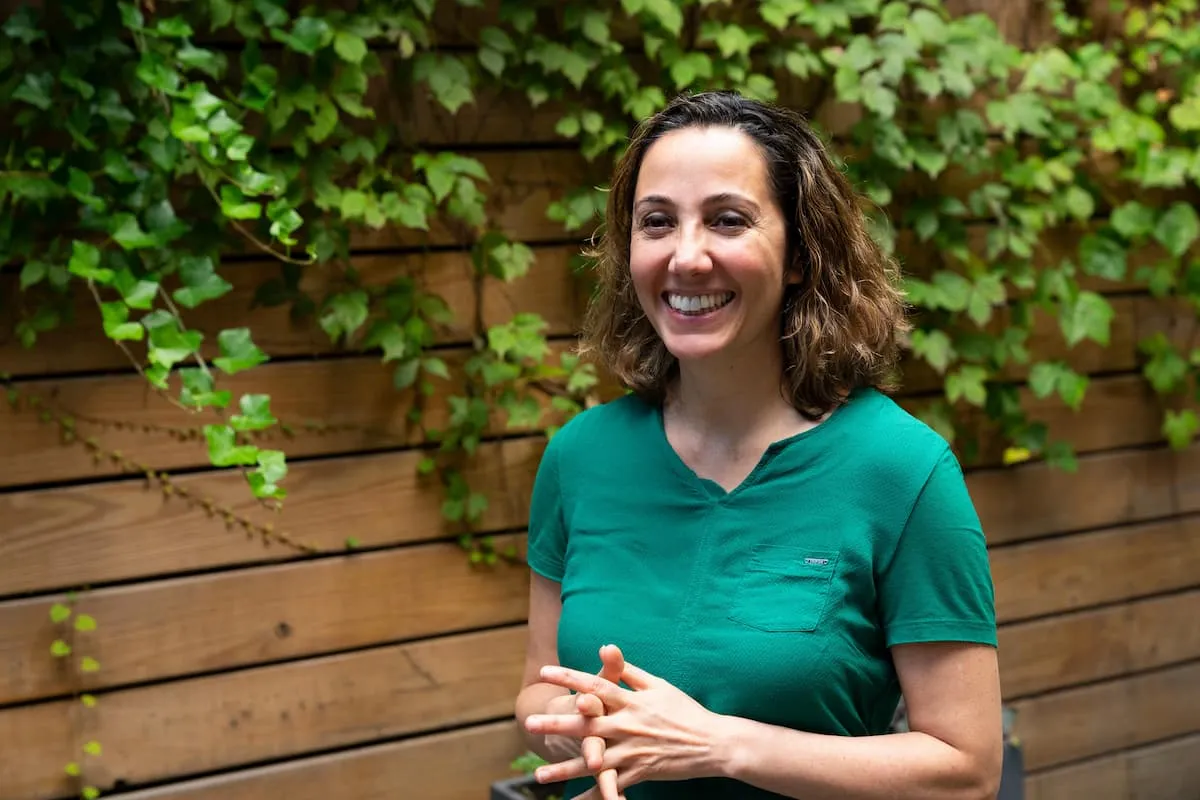
Pardis is a Professor at Harvard University, the Harvard School of Public Health, the Broad Institute of Harvard and MIT, and a Howard Hughes Medical Institute Investigator. Her computational genomic lab has contributed to several fields, including human evolutionary biology, viral sequencing, information theory, rural disease surveillance, and education efforts in West Africa. Her team has contributed to responses to theoutbreaks of Lassa, Ebola, and Zika among others. Pardis completed her undergraduate degree at MIT, her graduate work at Oxford University as a Rhodes Scholar, and her medical degree, summa cum laude, from Harvard Medical School as a Soros Fellow. She was also honored as TIME Magazine’s 2014 “Person of the Year” as one of the Ebola fighters, and as one of TIME’s 100 Most Influential people in 2015.
Categories
Subscribe for updates
September 15, 2026
Fix the News
Can We Stop the Next Pandemic Before It Starts?
What if we could catch the next pandemic before it starts?
For most of human history, we’ve discovered outbreaks after people start getting sick. But what if we could spot a dangerous virus as it emerges, track it as it spreads and give health workers the information they need to stop it - in real time?
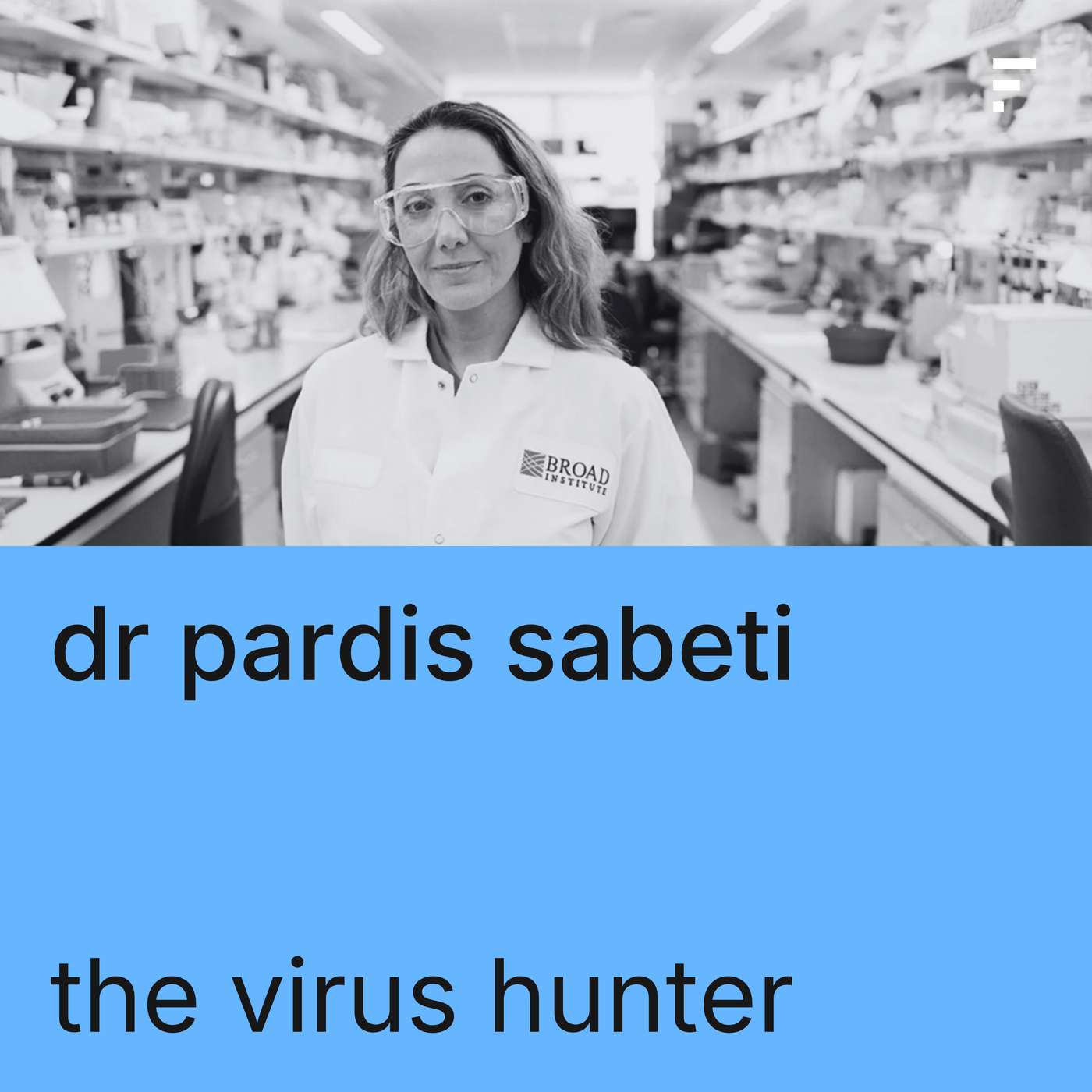
Meet Dr Pardis Sabeti, geneticist, disease hunter and professor at Harvard University. Pardis has spent more than two decades on the frontlines of some of the world’s deadliest outbreaks, from Lassa fever and Ebola in West Africa to COVID-19. Now, through Sentinel, she and her team are trying to build something even more ambitious: an early-warning system for infectious disease that can work anywhere - including communities across Africa where laboratory resources are limited and outbreaks can easily go undetected.
From why many “emerging” diseases may actually be diseases we simply haven’t detected to the devastating consequences of global health funding cuts - this is a conversation about how close we are to changing our relationship with infectious disease, and what it will take to stop the next outbreak before it becomes a pandemic.